
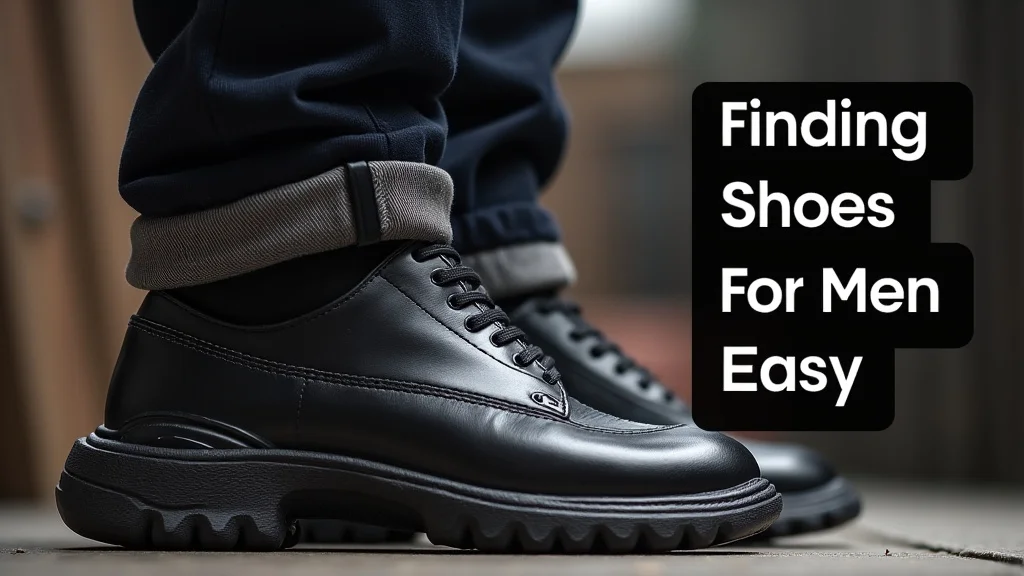
Shopping for shoes for men can sometimes feel like a puzzle, especially if you’re new to it. There are so many styles, brands, and things to think about. You might wonder where to even start or how to pick the right pair that looks good and feels great.
Don’t worry, we’ve got you covered. This guide will walk you through it step-by-step. Let’s make shoe shopping simple and fun.
Key Takeaways
- You will learn about different types of shoes for various occasions.
- We will explain what makes a good fit for men’s shoes.
- Discover tips on caring for your shoes to make them last longer.
- Understand how to choose the right shoe for specific outfits.
- Get advice on buying shoes online and in stores.
- Learn about popular trends in men’s footwear.
Choosing Your Shoes For Men
Picking the right shoes for men can seem like a big task. Many different styles exist for all sorts of events. From formal gatherings to casual outings, each event calls for a specific type of footwear.
Understanding these categories helps you build a versatile shoe collection. This section will break down the common types of men’s shoes, making it easier to select the perfect pair for any situation.
Dress Shoes
Dress shoes are typically worn for formal occasions like weddings, job interviews, or business meetings. They often have a polished leather finish and a sleek design. These shoes add a touch of sophistication to any formal outfit.
They are a staple in a well-rounded wardrobe.
- Oxford Shoes: These are characterized by their closed lacing system. The shoelace eyelets are attached underneath the vamp, giving a clean and formal look. Oxfords are considered the most formal type of dress shoe. They pair well with suits and tuxedos.
- Derby Shoes: Derby shoes have an open lacing system, where the shoelace eyelets are attached on top of the vamp. This makes them slightly less formal than Oxfords, but still appropriate for business attire. They offer a bit more room and are comfortable for extended wear.
- Loafers: Loafers are slip-on shoes with no laces. They come in various styles, including penny loafers, tassel loafers, and bit loafers. Loafers can be dressed up or down. They are a great choice for business casual or smart casual outfits.
Casual Shoes
Casual shoes are designed for everyday wear and comfort. They offer a relaxed style that suits weekend activities, errands, or informal gatherings. The variety in casual footwear means you can find options for almost any informal setting.
They prioritize ease of wear and a laid-back appearance.
- Sneakers: Popular for their comfort and versatility, sneakers come in countless designs. They range from athletic shoes for sports to fashion sneakers for everyday wear. Many sneakers now feature advanced cushioning and support for all-day comfort.
- Chukka Boots: These ankle-high boots typically have two or three eyelets for lacing. They are made from suede or leather. Chukka boots offer a smart casual look and are perfect for fall and winter. They can be worn with jeans or chinos.
- Boat Shoes: Originally designed for sailors, boat shoes are made with non-slip soles and water-resistant materials. They are typically worn without socks and have a casual, preppy aesthetic. They are ideal for warm weather and leisure activities.
Athletic Shoes
Athletic shoes are specifically designed for sports and physical activities. They offer specialized support, cushioning, and traction to enhance performance and prevent injuries. The technology in these shoes has advanced significantly, catering to the needs of various sports.
- Running Shoes: These shoes are lightweight and provide excellent shock absorption and flexibility. They are designed to support the repetitive motion of running, reducing impact on joints. Different types of running shoes exist for road running, trail running, and racing.
- Training Shoes: Versatile for various workouts, training shoes offer stability and support for activities like weightlifting, cross-training, and gym sessions. They typically have a flatter sole for better ground feel and more lateral support for side-to-side movements.
- Basketball Shoes: Built for the demands of basketball, these shoes offer ankle support to prevent sprains and provide good cushioning for jumping. They also feature durable soles with excellent grip for quick stops and changes in direction on the court.
The Importance of Fit And Comfort
Finding shoes that fit properly is crucial for comfort and foot health. Ill-fitting shoes can lead to a variety of problems, from blisters and calluses to more serious issues like bunions and plantar fasciitis. Men’s shoes come in various widths and lengths, and knowing your exact size is the first step to a comfortable experience.
Understanding Shoe Sizing
Shoe sizes can vary between brands and even between different models within the same brand. It is important to measure your feet regularly, as feet can change size over time. The best time to measure is at the end of the day when your feet are slightly swollen.
- Measure Both Feet: Most people have one foot that is slightly larger than the other. Always fit shoes to your larger foot.
- Check Length and Width: Ensure there is about a thumb’s width of space between your longest toe and the end of the shoe. The shoe should feel snug but not tight around the width.
- Walk Around: Before purchasing, walk around in the shoes. Do they rub anywhere? Do they feel supportive? Pay attention to any discomfort.
Material Matters For Comfort
The materials used in shoes significantly impact comfort and durability. Leather is a popular choice for dress shoes and boots due to its breathability and ability to mold to the foot over time. Suede offers a softer, more casual feel.
- Leather: High-quality leather is breathable and flexible. It helps regulate temperature, keeping feet comfortable in both warm and cool conditions. Over time, leather shoes can develop a personalized fit that is extremely comfortable.
- Canvas: Canvas is a lightweight and breathable fabric often used in casual sneakers and espadrilles. It’s ideal for warmer weather as it allows for good airflow. Canvas shoes are generally easy to clean.
- Synthetic Materials: Many athletic and casual shoes use synthetic materials like mesh, nylon, and specialized plastics. These materials can offer excellent breathability, water resistance, and durability, depending on their design and application.
Support Features
Beyond the fit and material, the internal construction of a shoe provides essential support. Look for features like good arch support, cushioning in the midsole, and a stable heel counter. These elements contribute to overall comfort, especially when standing or walking for long periods.
A well-cushioned midsole absorbs shock and reduces fatigue. Arch support helps maintain the natural shape of your foot and can prevent overpronation or supination, common gait issues. A firm heel counter keeps your foot stable within the shoe, preventing slippage.
Caring For Your Shoes For Men
Proper shoe care is essential to maintain the appearance and extend the life of your footwear. Different materials require different care routines. Taking a few minutes each week can make a big difference in how long your shoes last and how good they look.
Cleaning Your Shoes
Regular cleaning removes dirt and debris that can damage the shoe material over time. The method of cleaning depends on the type of shoe and its material.
- Leather Shoes: Use a soft brush or cloth to wipe off dust. For deeper cleaning, use a leather cleaner and then apply a leather conditioner to keep the material supple. For scuffs, shoe polish can restore color and shine.
- Suede Shoes: Suede is delicate and requires specialized tools. Use a suede brush to remove dirt and nap. For stains, a suede eraser can be effective. Avoid water as it can stain suede.
- Canvas Shoes: Most canvas shoes can be cleaned with mild soap and water. A toothbrush can help scrub away tough spots. Many canvas sneakers are also machine washable, but check the manufacturer’s instructions.
Protecting Your Shoes
Protecting your shoes from the elements is just as important as cleaning them. Water, salt, and excessive sun can all cause damage.
- Waterproofing: For leather and suede shoes, applying a waterproofing spray can protect them from rain and moisture. Reapply periodically, especially after cleaning.
- Protective Sprays: Some sprays can help repel dirt and stains, making cleaning easier. These are especially useful for lighter-colored shoes.
- Shoe Trees: Cedar shoe trees are excellent for absorbing moisture and odor from inside the shoe, helping them retain their shape. They are particularly beneficial for leather dress shoes.
Proper Storage
How you store your shoes when you’re not wearing them also impacts their longevity. Avoid cramming them into a closet or leaving them exposed to dust and sunlight.
- Keep Them Dry: Ensure shoes are completely dry before storing them. Storing damp shoes can lead to mold or mildew.
- Use Shoe Bags or Boxes: Individual shoe bags or their original boxes can protect shoes from dust and prevent them from getting scuffed by other footwear.
- Organize Them: Store shoes in a cool, dry place. If you have a large collection, consider a shoe rack or shelf to keep them organized and visible.
Styling Shoes For Men With Outfits
Shoes are the foundation of any outfit. Choosing the right pair can elevate your look, while the wrong choice can bring it down. The key is to match the formality of your shoes to the formality of your clothing and the occasion.
Matching Shoes To Occasions
Consider where you’re going and what you’ll be doing when selecting your footwear. This ensures you’re dressed appropriately and comfortably.
- Formal Events: For black-tie events or formal weddings, black patent leather Oxfords are the standard. For other formal occasions like business meetings or less strict formal parties, polished black or dark brown Oxfords or well-maintained loafers are suitable.
- Business Casual: This allows for more flexibility. You can wear smart leather loafers, chukka boots, or clean, minimalist leather sneakers. The color of your shoes should complement your trousers and belt.
- Casual Outings: For weekend wear, jeans, chinos, or shorts, sneakers, canvas shoes, or casual boots are excellent choices. Comfort and personal style play a bigger role here.
Color Coordination
The color of your shoes can significantly impact your overall look. Generally, it’s a good idea to coordinate your shoe color with your belt color.
- Black Shoes: Black shoes are very formal and pair best with black, grey, and navy suits. They are a safe bet for most business settings.
- Brown Shoes: Brown shoes offer more versatility. Lighter shades of brown look great with blue jeans and casual trousers. Darker shades of brown can work with navy and grey suits for a slightly less formal look than black.
- Other Colors: Colors like burgundy, navy, or even bolder hues can add personality to an outfit. These often work best with casual or business casual attire.
Understanding Shoe Silhouettes
The shape and silhouette of a shoe also influence its formality and how it pairs with clothing. A sleek, pointed toe is generally more formal than a round or square toe.
- Sleek and Pointed: These are the most formal. They are designed to complement sharp suits and tailored trousers.
- Classic Round Toe: This is a versatile shape that works well for both dressy and casual shoes, offering a balanced look.
- Chunky or Wide Soles: Often found on modern sneakers and some casual boots, these offer a bolder, more relaxed aesthetic. They pair well with more casual clothing like jeans and athleisure wear.
Buying Shoes For Men Online vs. In Store
The way you buy shoes has changed a lot. You can now shop from the comfort of your home or try them on in person. Both methods have their pros and cons, and the best approach often depends on what you’re looking for.
Shopping In Store
Visiting a physical store allows you to try shoes on before buying. This is the best way to ensure a perfect fit, which is especially important for men’s shoes that need to be comfortable for extended wear.
- Try Before You Buy: The most obvious advantage is the ability to physically try on different sizes and styles. You can walk around, feel the support, and see how they look on your feet.
- Expert Advice: Store associates can offer valuable advice on fit, style, and care, especially in dedicated shoe stores. They can measure your feet and recommend options based on your needs.
- Immediate Gratification: You can take your new shoes home with you right away, without waiting for shipping.
Shopping Online
Online shopping offers a vast selection and often competitive pricing. It’s a convenient option, but requires careful consideration of fit and return policies.
- Wider Selection: Online retailers typically have a much larger inventory than physical stores, giving you access to more brands, styles, and sizes.
- Convenience: You can shop anytime, anywhere, and compare prices easily across different websites.
- Read Reviews: Customer reviews can provide insights into fit, comfort, and durability that might not be obvious from product descriptions alone. Always check the return policy before purchasing.
Making the Right Choice
For first-time buyers or those unsure of their size in a particular brand, shopping in-store is often the better choice. Once you know your size and preferred styles, online shopping can be a great way to find deals and expand your collection.
Consider starting with a well-known brand whose sizing you trust when buying online. If you’re exploring new brands, look for retailers with generous return policies that allow you to send shoes back if they don’t fit. Always measure your feet to have a baseline size reference.
Common Myths Debunked
Myth 1: All leather shoes are comfortable from the start
While quality leather shoes are designed to become more comfortable over time, they often require a break-in period. New leather can be stiff. It molds to your foot’s shape with wear.
Don’t expect perfect comfort immediately; give them time to adapt.
Myth 2: You only need one pair of good shoes
Having a versatile shoe collection is important. Different occasions call for different types of footwear. For instance, wearing athletic shoes to a formal event is inappropriate.
Owning a few key pairs—like dress shoes, casual shoes, and athletic shoes—ensures you are prepared for most situations.
Myth 3: Expensive shoes always mean better quality
Price is not always an indicator of quality. While premium brands often use better materials and craftsmanship, you can find excellent quality shoes at various price points. Focus on the materials, construction, and how the shoe fits your foot, rather than just the price tag.
Myth 4: You should always wear socks with dress shoes
For formal occasions and dress shoes like Oxfords or Derbies, wearing socks is a standard practice. Socks help absorb moisture, prevent blisters, and add a layer of comfort. However, for certain styles like loafers or boat shoes, going sockless is often considered acceptable and fashionable, especially in warmer weather.
Frequently Asked Questions
Question: What is the most versatile color for men’s shoes
Answer: Brown is often considered the most versatile color for men’s shoes. It can be dressed up or down and pairs well with a wide range of colors, including blue, grey, and even some earth tones.
Question: How often should I replace my shoes
Answer: The lifespan of shoes varies greatly depending on the quality, how often you wear them, and how well you care for them. On average, a well-maintained pair of dress shoes might last 2-3 years, while casual shoes or sneakers might need replacing every 1-2 years with regular use.
Question: Are sneakers appropriate for the office
Answer: This depends heavily on your workplace’s dress code. In very casual or creative environments, stylish, clean sneakers might be acceptable. For most offices, especially those with a business casual or formal policy, sneakers are generally not appropriate.
Question: What is a good beginner shoe collection for men
Answer: A good starting point would include a pair of versatile brown leather Oxfords or Derbies, a comfortable pair of casual sneakers, and perhaps a pair of sturdy casual boots like chukkas. This covers most everyday and slightly formal needs.
Question: How do I clean suede shoes
Answer: To clean suede shoes, use a special suede brush to remove dirt and restore the nap. For stains, a suede eraser can be effective. Avoid water, as it can damage the suede.
Consider using a suede protector spray to prevent stains.
Conclusion
Finding the right shoes for men does not have to be difficult. By knowing different styles, focusing on fit, and caring for them properly, you can build a great shoe collection. Consider occasion, comfort, and style when you choose.
Your feet will thank you.