
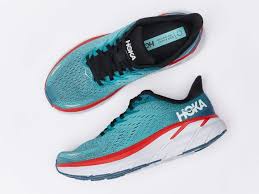
Are you thinking about trying hoka shoes but not sure where to start? Many people find them a bit different at first, which can feel a little confusing. But don’t worry!
We’re going to make it super simple. This guide will walk you through everything step by step, so you can pick the perfect pair. Let’s get you ready to feel the difference.
Key Takeaways
- You will learn what makes Hoka shoes unique.
- We will show you how to find the right Hoka shoe for your needs.
- You will discover the benefits of wearing Hoka shoes for running and walking.
- We will explain how Hoka shoes can help with comfort and support.
- You will get practical tips for choosing and using your Hoka shoes.
What Makes Hoka Shoes Stand Out
Hoka shoes are well-known for their distinctive thick soles. This design is a big part of what makes them feel so different and comfortable. The extra cushioning is not just for show; it’s engineered to absorb impact and provide a soft ride.
This can be a big help for your feet and legs, especially on longer runs or walks.
The oversized midsole is designed to offer a stable platform. It helps to distribute pressure evenly across your foot. This can lead to less fatigue and more enjoyment during your activities.
People often choose Hoka shoes because they offer a unique blend of cushioning and support that you might not find in other brands.
The Maxi-Cushioning Concept
The heart of Hoka’s design is its focus on maximum cushioning. This means the foam in the midsole is thicker and softer than in many other athletic shoes. The goal is to provide an exceptionally plush experience for your feet.
This cushioning helps to reduce the stress on your joints, like your knees and ankles, with every step you take.
This isn’t just about softness; it’s about providing a responsive feel too. The foam is engineered to give back some energy as you run or walk. It works to absorb shock effectively.
This can make a big difference, especially if you have longer distances to cover or are just starting out. The feeling is often described as running on clouds.
Meta-Rocker Geometry
Another key feature of Hoka shoes is their “Meta-Rocker” design. This refers to the shape of the sole. It’s curved, like a rocking chair, with a more pronounced rock at the heel and toe.
This shape helps to promote a smooth transition from heel strike to toe-off. It makes your stride feel more natural and efficient.
Think of it like this: the curved sole helps guide your foot forward. You don’t have to work as hard to roll through your stride. This can help reduce the strain on your calf muscles and Achilles tendon.
The Meta-Rocker is designed to make your movement feel easier and more fluid, which can be a great benefit for both new and experienced runners.
Hoka Shoe Technologies
Hoka uses several proprietary technologies to create their signature feel. One of the most important is their specific foam compounds. These foams are chosen for their balance of softness, durability, and responsiveness.
They are designed to offer excellent shock absorption without feeling mushy or unstable.
For example, the CMEVA (Compression Molded EVA) foam is a common material. It’s lightweight and provides good cushioning. Hoka also uses other advanced foams in their higher-end models for even better performance.
These materials are carefully selected and tested to deliver the best possible running and walking experience for a wide range of users.
Choosing The Right Hoka Shoes For You
With so many different Hoka models available, picking the right pair can seem tricky. But it doesn’t have to be! The best shoe for you depends on what you plan to do with them.
Are you looking for shoes for road running, trail running, walking, or everyday wear? Knowing this will help narrow down your choices.
Each model is designed with specific activities in mind. Some offer more stability for those who need extra support, while others are built for speed and lightness. We’ll break down some common types to help you make an informed decision.
It’s all about finding the shoe that best matches your foot shape and your personal activity goals.
Hoka Running Shoes
Hoka offers a wide range of running shoes. These are categorized based on the type of running you do and the support you need. For road running, you’ll find shoes that are lightweight and cushioned.
These are great for daily training and long-distance running. They offer that signature Hoka comfort to keep your legs feeling fresh.
Trail running shoes are built to handle rougher terrain. They often have more aggressive outsoles for better grip and reinforced uppers for protection. These shoes are designed to be durable and provide stability on uneven surfaces.
Whether you’re hitting the pavement or the trails, Hoka has a shoe designed to perform.
Everyday Trainers
For runners who want a balanced shoe for various types of runs, Hoka offers excellent everyday trainers. These shoes typically feature a good amount of cushioning for comfort during daily miles. They also provide enough responsiveness for faster paces if needed.
Models like the Clifton are popular choices for their versatility.
These shoes are a great starting point for many runners. They offer a smooth ride and reliable support. The cushioning helps to reduce fatigue, making them suitable for both short jogs and longer runs.
Their design aims to make running feel more enjoyable and less taxing on your body, which is perfect for building a consistent running habit.
Stability Shoes
If you find your feet tend to roll inward (overpronate) when you run, Hoka’s stability shoes can be a game-changer. These models include specific features to help guide your foot into a more neutral motion. They are designed to provide support without feeling stiff or overly controlling.
Hoka achieves stability through gentle guidance systems, often in the midsole. This helps to keep your foot aligned throughout your stride. It can lead to a more comfortable and efficient run, potentially reducing the risk of injuries associated with overpronation.
Models like the Arahi are known for their balanced stability and cushioning.
Hoka Walking And Lifestyle Shoes
Hoka isn’t just for runners. They also make fantastic shoes for walking and everyday wear. These shoes borrow the same cushioning and comfort technology from their running shoes.
This makes them ideal for anyone who spends a lot of time on their feet. You’ll find them great for daily errands, travel, or simply enjoying a comfortable stroll.
The focus on plush cushioning and supportive design means Hoka walking shoes can help reduce foot fatigue and discomfort. They offer a stable base for walking and can even help with conditions like plantar fasciitis. Many people find that switching to Hoka shoes for their daily activities makes a noticeable difference in how their feet feel at the end of the day.
Comfort For Daily Wear
For everyday comfort, Hoka shoes offer a remarkable feel. The thick, soft soles provide a plush landing with every step. This makes them perfect for long days of walking or standing.
The shoes are designed to be lightweight despite their substantial cushioning, so your feet won’t feel weighed down.
Many users report feeling less tired and sore after wearing Hoka shoes for everyday tasks. This is because the advanced cushioning absorbs shock that would otherwise travel up to your legs and back. They are a great choice if you’re looking for a shoe that supports your feet all day long, whether you’re running errands or just enjoying a leisurely walk.
Finding Your Fit
Getting the right fit is crucial for any shoe, and Hoka shoes are no exception. It’s important to try them on if possible. Pay attention to how they feel around your toes, heel, and midfoot.
You want enough room for your toes to wiggle, but not so much that your foot slides around.
Most Hoka models come in standard width, but some are available in wider options. If you have wider feet, look for models that explicitly offer a wide size. Trying them on later in the day can also be helpful, as your feet tend to swell slightly throughout the day.
This ensures you get a comfortable fit that lasts.
Benefits Of Wearing Hoka Shoes
The benefits of wearing Hoka shoes are often highlighted by their users. The most frequently mentioned advantage is the superior cushioning. This can translate into a more comfortable experience for your feet and joints.
It’s why many people turn to Hoka for relief from foot pain and fatigue.
Beyond just comfort, Hoka shoes are designed to support your natural stride. The Meta-Rocker geometry can help make your movement more efficient. This can lead to improved performance, whether you’re running, walking, or just on your feet all day.
Let’s look at some specific advantages in more detail.
Reduced Impact On Joints
The significant cushioning in Hoka shoes plays a vital role in reducing the impact on your joints. When you run or walk, your feet and legs absorb a lot of force. The thick, soft midsole of Hoka shoes acts like a shock absorber.
It helps to dissipate this impact energy before it reaches your knees, hips, and back.
This can be particularly beneficial for individuals who experience joint pain or are recovering from injuries. By lessening the load on your joints, Hoka shoes can make physical activity more enjoyable and less stressful on your body. Many runners find that their legs feel fresher for longer when wearing Hoka.
Improved Running Form
The design of Hoka shoes, especially the Meta-Rocker, can subtly encourage a more efficient running form. The rockered sole helps to promote a smoother transition from landing to push-off. This means your foot rolls forward more easily with each step.
It can help you maintain a consistent cadence and stride.
This smoother transition can also help reduce excessive stress on your calf muscles and Achilles tendon. By guiding your foot naturally through its motion, these shoes can support a more fluid and less labored stride. For beginners, this can make learning proper form feel more intuitive.
Enhanced Comfort For Long Distances
For anyone spending hours on their feet, whether for running, walking, or standing at work, enhanced comfort is key. Hoka’s signature cushioning provides an exceptional level of comfort. It cradles your feet and reduces the feeling of fatigue that can set in over time.
This makes them an excellent choice for marathon runners, nurses, teachers, or anyone who needs to stay comfortable on their feet throughout the day. The plush feel underfoot can make a significant difference in how your body feels after extended periods of activity. Many users report being able to stay on their feet longer without discomfort.
Support And Stability
While known for their softness, many Hoka shoes also offer surprising stability. The wide base of the midsole provides a stable platform. For models with added stability features, they help to guide your foot and prevent excessive rolling.
This combination of cushioning and support is a hallmark of the brand.
This supportive design can contribute to better posture and alignment. It helps to ensure that your foot is properly supported throughout your stride, which can be beneficial for overall body mechanics. It’s a balance that many find works well for a variety of activities and foot types.
Hoka Shoe Technologies Explained
Hoka shoes are built using advanced materials and innovative designs. Understanding these technologies can help you appreciate why they feel so different and perform so well. The brand focuses on creating shoes that offer a superior cushioning experience without sacrificing performance or stability.
From the foam in the sole to the upper material, every component is chosen with care. This attention to detail results in shoes that are lightweight, comfortable, and durable. Let’s explore some of the key technologies that make Hoka shoes a popular choice among athletes and everyday wearers alike.
Midsole Foam Compounds
The midsole is the most critical part of a Hoka shoe. It’s where the magic of cushioning happens. Hoka uses various types of foam, each with specific properties.
The most common is CMEVA (Compression Molded Ethyl Vinyl Acetate). This material is known for being lightweight, resilient, and providing excellent shock absorption.
Hoka also uses other advanced foams, like Profly and Hyper Pro. Profly foam typically has a dual-layer construction. The top layer is softer for cushioning, while the bottom layer is firmer for responsiveness and propulsion.
These carefully engineered foam compounds are what give Hoka shoes their signature soft yet protective feel. They are designed to offer a comfortable ride mile after mile.
Upper Construction
The upper part of the shoe is what holds your foot in place. Hoka uppers are designed to be lightweight and breathable, while still providing support and comfort. Many models use engineered mesh, which is a strong yet flexible material.
It allows air to circulate, keeping your feet cool and dry.
Some uppers also feature strategic overlays or reinforcements. These add durability and structure where needed, without adding much weight. Hoka aims for a secure, sock-like fit that feels comfortable and prevents irritation during activity.
The design ensures your foot stays securely in the shoe.
Outsole Design
The outsole is the bottom layer of the shoe that contacts the ground. Hoka outsoles are designed for durability and traction. They often feature strategically placed rubber in high-wear areas to extend the life of the shoe.
The pattern of the outsole can vary depending on the shoe’s intended use.
For road running shoes, the outsole is typically smoother for efficient contact with pavement. Trail running shoes, on the other hand, have deeper lugs and more aggressive patterns for grip on dirt, mud, and rocks. The design ensures that you have reliable traction no matter the surface.
Common Myths Debunked
Myth 1: Hoka Shoes Are Only For Serious Runners
This is a common misconception. While many serious runners love Hoka shoes, they are designed for a much broader audience. The exceptional cushioning and comfort make them ideal for walkers, people who stand for long hours, and anyone seeking relief from foot pain.
Their versatility extends far beyond competitive running.
Myth 2: The Thick Soles Make Hoka Shoes Unstable
Contrary to popular belief, Hoka shoes are engineered for stability. The wide base of the midsole provides a naturally stable platform. Many models incorporate specific stability features to guide the foot and prevent excessive pronation.
The combination of cushioning and a stable base is what makes them so effective.
Myth 3: Hoka Shoes Are Too Soft And Lack Responsiveness
While Hoka shoes are known for their softness, they are also designed to be responsive. The advanced foam compounds used in the midsoles offer a good balance. They absorb impact effectively while still providing energy return with each step.
This means you get a cushioned ride that doesn’t feel sluggish.
Myth 4: You Need To Be An Experienced Runner To Wear Hoka Shoes
Absolutely not. Hoka shoes can be a fantastic choice for beginners. Their cushioning helps reduce the impact on your body as you start your running journey, making it more comfortable.
The supportive design can also help new runners develop good habits. They can make the initial stages of running much more enjoyable.
Frequently Asked Questions
Question: Are Hoka shoes good for plantar fasciitis
Answer: Many people with plantar fasciitis find Hoka shoes to be very helpful due to their superior cushioning and supportive design. The soft midsole can absorb shock and reduce pressure on the heel, while the stable platform helps with proper foot alignment.
Question: How do I know if I need a wide Hoka shoe
Answer: If you typically need wide sizes in other shoes, or if your feet feel cramped in standard width shoes, you should consider a wide Hoka shoe. It’s best to try them on to see how they feel around your foot, especially at the widest part of your forefoot.
Question: Can I wear Hoka shoes for everyday walking
Answer: Yes, Hoka shoes are excellent for everyday walking. Their comfortable cushioning and supportive features make them ideal for long periods of standing or walking, reducing foot fatigue and enhancing overall comfort.
Question: How do I clean my Hoka shoes
Answer: For most Hoka shoes, a gentle cleaning method is recommended. You can use a mild soap and cool water with a soft brush or cloth to clean the upper and midsole. Avoid machine washing or drying, as this can damage the shoe’s materials and structure.
Always let them air dry away from direct heat.
Question: Are Hoka shoes durable
Answer: Hoka shoes are generally considered to be quite durable, especially given the advanced materials and construction methods used. However, like all athletic shoes, their lifespan depends on factors such as usage frequency, the type of activities performed, and proper care.
Conclusion
Hoka shoes offer a unique combination of plush cushioning and supportive design. They can make running and walking more comfortable for many people. By understanding the different models and technologies, you can find the perfect pair to suit your needs.
Enjoy the comfort and support your feet will thank you for.