
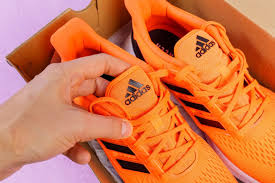
Sometimes, people get a little confused when looking for shoes adidas shoes. It sounds like a lot, right? But don’t worry!
It’s super simple to figure out. This guide will help you understand all about them in easy steps. We’ll look at different kinds and what makes them special.
Key Takeaways
- You will learn what makes Adidas shoes stand out from others.
- Discover the various types of Adidas shoes available for different needs.
- Understand the technology behind Adidas shoe comfort and performance.
- Learn how to pick the best Adidas shoes for your specific activities.
- Find tips on caring for your Adidas shoes to make them last longer.
Exploring Adidas Shoes For Every Step
Adidas is a famous name when it comes to athletic wear and footwear. Their shoes are known worldwide for quality, style, and innovation. When people talk about “shoes adidas shoes,” they are simply referring to shoes made by the Adidas brand.
This phrase emphasizes the brand’s strong identity in the shoe market. For beginners, the sheer variety of options might seem overwhelming. There are running shoes, casual sneakers, basketball shoes, and many more.
Each type is designed with specific features to support different activities and foot types. Understanding these differences is key to making a good choice.
The History and Evolution of Adidas Footwear
Adidas began in Germany in 1949. It was founded by Adolf Dassler. He wanted to create better sports equipment for athletes.
Early on, Adidas focused on shoes for track and field. They introduced iconic models like the Samba, which is still popular today. Over the decades, Adidas expanded its product lines.
They partnered with athletes and designers. This led to groundbreaking technologies like the Torsion System and Boost cushioning. The brand has consistently blended performance with fashion.
This has made Adidas shoes desirable for both athletes and everyday wearers.
The brand’s commitment to research and development is a major reason for its success. They invest heavily in understanding biomechanics and material science. This allows them to create shoes that offer superior comfort, support, and durability.
The three-stripe logo is instantly recognizable. It represents a legacy of athletic excellence and trendsetting style. Adidas continues to push boundaries, incorporating sustainable materials and advanced manufacturing processes into their designs.
Iconic Adidas Shoe Models
Several Adidas shoe models have achieved legendary status. The Adidas Stan Smith is a classic tennis shoe that became a fashion staple. Its minimalist design and green heel tab are instantly recognizable.
The Adidas Superstar, with its shell toe, was originally a basketball shoe but is now a street style icon. The Adidas Gazelle is another heritage model, known for its simple suede construction and gum sole. For running, the Ultraboost line is highly praised for its responsive cushioning.
Each of these models represents a different era and purpose, but all share the Adidas commitment to quality.
These iconic shoes aren’t just about looks; they are built with specific functional features. For example, the Superstar’s rubber shell toe was originally designed to protect players’ toes on the basketball court. The Gazelle’s suede upper provides a comfortable and flexible fit for casual wear or light training.
The Ultraboost’s Boost technology is made of thousands of small energy capsules that absorb shock and return energy with every stride. This thoughtful engineering is why these shoes remain popular for so long.
A Look at the Adidas Samba
The Adidas Samba is one of the oldest and most enduring Adidas shoe designs. First released in the late 1940s, it was created for soccer players needing good grip on icy pitches. Its distinctive gum sole provided excellent traction.
The design featured a low-profile silhouette and a leather upper. Over time, the Samba transitioned from a sports shoe to a lifestyle icon. Its retro look and versatility make it a favorite for casual outfits.
The Samba’s construction is relatively simple but effective. It typically has a leather or suede upper for a comfortable feel and a durable rubber outsole for grip. The laces run down the top of the foot for a secure fit.
The shoe’s slim profile allows it to pair easily with jeans, shorts, or even dresses. Its understated design has allowed it to remain relevant through many fashion trends. The Samba is a testament to timeless design principles.
The Popularity of Adidas Ultraboost
The Adidas Ultraboost line revolutionized running shoe cushioning. Introduced in 2015, it features Adidas’s Boost technology. This foam is made from thermoplastic polyurethane (TPU) pellets.
These pellets are expanded into tiny capsules that store and release energy. The result is a remarkably responsive and comfortable ride. Runners found that Ultraboost shoes reduced fatigue and improved performance.
Beyond performance, the Ultraboost also became a fashion statement. Its sleek design and comfortable feel made it popular for everyday wear. Many versions include a Primeknit upper, a flexible and breathable fabric that adapts to the foot’s shape.
The Continental rubber outsole provides excellent grip in both wet and dry conditions. This combination of advanced technology, comfort, and style has made the Ultraboost a top choice for athletes and sneaker enthusiasts alike.
Adidas Shoe Technologies Explained
Adidas has developed numerous technologies to enhance the performance and comfort of their shoes. These innovations are what set many Adidas shoes apart. Understanding these technologies can help you choose the best pair for your needs.
From cushioning systems to support structures, Adidas aims to provide an optimal experience for every wearer. Whether you are an elite athlete or someone looking for comfortable everyday shoes, there’s an Adidas technology for you.
Boost Cushioning System
Boost is Adidas’s flagship cushioning technology. It is made from thousands of small, energy-returning capsules. These capsules are formed from thermoplastic polyurethane (TPU).
When you step down, the capsules compress, absorbing impact. Then, they spring back to their original shape, returning energy to your foot. This process makes running or walking feel more efficient and less tiring.
Boost is known for its durability and performance across different temperatures. Unlike traditional EVA foam, Boost doesn’t harden in the cold or become too soft in the heat. This means consistent cushioning and responsiveness no matter the weather.
The Boost material is also quite lightweight, contributing to the overall comfort of the shoe. Many Adidas running shoes, like the Ultraboost and Solarboost lines, heavily feature this technology.
How Boost Works
Imagine stepping on a trampoline. When you jump, the trampoline surface dips and then springs back, propelling you upwards. Boost cushioning works similarly.
Each tiny Boost capsule acts like a miniature spring. When your foot lands, the capsules deform, absorbing the shock. As you lift your foot, they expand, pushing energy back into your step.
This continuous cycle of absorption and return reduces the energy your body needs to expend.
The unique cellular structure of Boost is key. It allows for a significant amount of air to be trapped within the foam. This trapped air, combined with the material’s properties, creates the bouncy, responsive feel.
The Boost foam is also designed to be highly resilient, meaning it can withstand repeated compression and expansion without losing its effectiveness over time. This makes Adidas shoes with Boost a long-term investment in comfort and performance.
Primeknit Upper Material
Primeknit is Adidas’s advanced knitted upper material. It is engineered for a sock-like fit that is both comfortable and breathable. The material is created using a digital knitting process that allows for precise control over different zones of the shoe’s upper.
This means areas that need more support can be made denser, while areas that need more flexibility or ventilation can be made more open.
The benefits of Primeknit are numerous. It reduces the need for multiple materials and stitching, leading to a lighter shoe with fewer potential irritation points. The adaptive nature of Primeknit means it molds to the shape of your foot, providing a personalized feel.
This also helps to prevent blisters and chafing. Many popular Adidas models, including the Ultraboost and NMD lines, utilize Primeknit uppers.
Advantages of Primeknit
One of the main advantages is its breathability. The knitted structure allows air to flow freely around the foot, keeping it cool and dry, especially during intense activity. This helps to prevent overheating and discomfort.
Another key advantage is its flexibility. Primeknit stretches and moves with your foot, providing a natural feel without being restrictive. This is crucial for activities that require a lot of foot movement.
Furthermore, Primeknit is incredibly lightweight. By knitting the material directly into the desired shape, Adidas eliminates the need for heavy overlays or reinforcements in many areas. This contributes to the overall agility and comfort of the shoe.
The material is also known for its durability, holding up well to regular wear and tear. The precise manufacturing process ensures consistent quality and performance across all Primeknit shoes.
Continental Rubber Outsole
Adidas uses Continental rubber for the outsoles of many of its performance shoes. This collaboration brings the advanced tire technology from Continental to footwear. Continental rubber is known for its superior grip, durability, and resistance to wear and tear.
This makes it an excellent material for shoe outsoles, especially for activities where traction is critical.
The benefit of using Continental rubber is significantly improved grip on various surfaces. This is particularly important for running shoes, which need to provide stability and prevent slips on both wet and dry terrain. The rubber compound is also designed to maintain its performance over a wide range of temperatures, ensuring reliable traction in different weather conditions.
This technology enhances both safety and performance.
Grip and Durability
The grip provided by Continental rubber outsoles is exceptional. It allows athletes to push off with confidence, knowing their shoes will maintain contact with the ground. This is vital for sports that involve quick changes in direction, sprints, or uneven terrain.
The rubber compound is engineered to offer a balance between stickiness for grip and firmness for durability.
Durability is another major advantage. High-quality rubber compounds resist abrasion, meaning the outsole will wear down much slower than traditional rubber. This extends the lifespan of the shoes, making them a more cost-effective choice in the long run.
The enhanced durability also means that the tread pattern, which is crucial for grip, remains effective for a longer period.
Choosing the Right Adidas Shoes
Selecting the correct pair of Adidas shoes is crucial for comfort, performance, and preventing injuries. With so many options available, it’s helpful to consider a few key factors. Think about what you will use the shoes for most.
This will guide you toward the specific type of shoe and the technologies that will benefit you most.
Identify Your Primary Activity
Are you looking for shoes for running, training, basketball, or casual wear? Each activity has different demands on footwear.
- Running Shoes: These are designed for cushioning and support during long-distance runs. They typically have a flexible sole and ample shock absorption.
- Training Shoes: These offer a balance of stability and flexibility for various gym activities like weightlifting and cross-training.
- Basketball Shoes: These provide ankle support and excellent traction for court movements. They are often more rigid to support lateral movements.
- Casual Sneakers: These prioritize style and comfort for everyday wear. They may feature classic designs and comfortable, versatile cushioning.
For example, someone who runs marathons will need highly cushioned and energy-returning shoes like the Ultraboost. On the other hand, a basketball player needs shoes that offer superior ankle support and lateral stability to prevent injuries during quick cuts and jumps. Someone who spends their day on their feet at work might opt for a more casual sneaker with good arch support and all-day comfort.
Consider Foot Type and Support Needs
Everyone’s feet are different. Understanding your foot type, such as whether you have high arches, flat feet, or a neutral arch, is important.
- Neutral Pronation: If your foot rolls inward slightly, most standard Adidas shoes will work well. Look for shoes with balanced cushioning.
- Overpronation: If your foot rolls inward excessively, you might need shoes with extra support, often called “stability shoes.” These help control the inward roll.
- Supination (Underpronation): If your foot rolls outward, you need shoes with excellent cushioning and flexibility to absorb shock.
Many Adidas running shoes come in different versions to cater to these needs. For instance, Adidas might offer a “neutral” version and a “stability” version of the same shoe model. The stability version will have specific structural elements, like a firmer midsole foam on the medial (inner) side, to guide the foot into a more neutral position.
Checking reviews and consulting with a footwear specialist can help identify the best support for your feet.
Trying On Shoes
It’s always best to try on shoes before buying them. Wear the type of socks you would normally use with the shoes.
- Try them on later in the day: Your feet tend to swell throughout the day, so trying shoes on when your feet are at their largest ensures a comfortable fit at all times.
- Check the fit: There should be about a thumb’s width of space between your longest toe and the end of the shoe.
- Walk around: Pay attention to any pressure points or areas of discomfort. The shoes should feel comfortable from the moment you put them on; they shouldn’t require a “break-in” period for basic comfort.
- Consider the width: Ensure the shoe is not too tight or too loose across the widest part of your foot.
For example, if you are buying running shoes, go for a jog around the store if possible. This will help you feel how the cushioning and support work when your feet are in motion. If a particular area feels tight or rubs, it’s likely not the right shoe for you.
Even slight discomfort can become a major issue over longer distances or extended wear.
Caring for Your Adidas Shoes
To keep your Adidas shoes looking and performing their best, proper care is essential. Regular cleaning and maintenance can significantly extend their lifespan. Different materials require slightly different approaches, but some general guidelines apply to most Adidas footwear.
Protecting your investment means following a few simple steps after your wear them.
Cleaning Your Shoes
For most Adidas shoes, especially those with fabric or mesh uppers, a gentle cleaning method is best.
- Remove laces and insoles: This allows for a more thorough cleaning of all parts of the shoe.
- Brush off loose dirt: Use a soft brush or an old toothbrush to remove any dry dirt or debris from the uppers and soles.
- Use mild soap and water: Mix a small amount of mild detergent with cool water.
- Scrub gently: Use a soft cloth or sponge dipped in the soapy water to clean the uppers. For tougher spots, a soft brush can be used carefully. Avoid harsh scrubbing, which can damage the material.
- Clean the soles: The rubber soles can be cleaned with the same soapy water mixture. A toothbrush works well for getting into the grooves of the sole.
- Rinse thoroughly: Wipe down the shoes with a clean, damp cloth to remove all soap residue.
Never put your Adidas shoes in a washing machine or a clothes dryer. The high heat and agitation can damage the glues, materials, and structural integrity of the shoes. This is especially true for shoes with advanced cushioning systems or delicate upper materials like Primeknit.
Hand washing is the safest and most effective method.
Drying Your Adidas Shoes
Proper drying is just as important as cleaning. Improper drying can lead to odors, damage, or misshaping.
- Air dry naturally: Always let your shoes air dry at room temperature.
- Stuff with paper: To help them keep their shape and absorb moisture from the inside, stuff the shoes loosely with plain white paper or paper towels. Avoid using newspaper, as the ink can transfer to the shoe lining.
- Keep away from direct heat: Do not place shoes near radiators, heaters, or in direct sunlight. These sources of heat can warp the materials and adhesives.
The goal is to allow moisture to evaporate slowly and evenly. This prevents the materials from becoming brittle or cracking. It also helps to maintain the shoe’s intended structure, ensuring they fit and feel right for longer.
Patience during the drying process will pay off in the longevity of your shoes.
Protecting Your Shoes
For shoes made of leather or suede, specific protectants can help maintain their appearance and repel water and stains.
- Leather shoes: Use a leather conditioner periodically to keep the material supple and prevent cracking. A leather protector spray can also add a layer of defense against moisture and stains.
- Suede shoes: Suede requires special care. Use a suede brush to remove dirt and a suede protector spray to guard against water and stains. For stubborn marks, a suede eraser can be effective.
For fabric shoes, especially those with light-colored uppers, a fabric protector spray can offer some resistance to dirt and minor spills. Always test any protectant spray on an inconspicuous area of the shoe first to ensure it doesn’t alter the color or texture. Applying these treatments sparingly and following the product instructions will offer the best results.
Common Myths Debunked
Myth 1: All Adidas shoes are the same
This is not true. Adidas makes shoes for many different purposes. A running shoe is built differently from a basketball shoe or a casual sneaker.
They have varying levels of cushioning, support, and flexibility based on their intended use. The quality and technology can also vary between different lines and price points within the Adidas brand.
Myth 2: You need to break in Adidas shoes for a long time
While some shoes might feel a bit stiff initially, modern Adidas shoes, especially those with Primeknit uppers or advanced cushioning, are designed to be comfortable right out of the box. Significant discomfort or pain during the first few wears usually indicates that the shoe is not the right fit for your foot or activity. A short period of adjustment may be needed, but not extensive “breaking in.”
Myth 3: Adidas shoes are only for athletes
While Adidas has a strong athletic heritage and performance-focused shoes, they also produce a vast range of lifestyle and casual sneakers. These shoes are designed with style and everyday comfort in mind, making them suitable for anyone looking for fashionable and comfortable footwear for daily activities. Many celebrities and fashion influencers often showcase Adidas casual wear.
Myth 4: You can wash Adidas shoes in the washing machine
Washing Adidas shoes in a washing machine is strongly discouraged. The harsh agitation and heat can damage the materials, glues, and internal structures of the shoe. This can lead to delamination, loss of cushioning, and a shortened lifespan for the footwear.
Hand washing with mild soap and water is the recommended cleaning method for most Adidas shoes.
Frequently Asked Questions
Question: Are Adidas running shoes good for walking?
Answer: Yes, many Adidas running shoes offer excellent cushioning and support that also make them very comfortable for walking. However, specialized walking shoes might offer more stability and a different tread pattern suited for walking gait.
Question: How do I know if my Adidas shoes are too tight?
Answer: If your toes feel cramped, you experience pressure points on the sides of your feet, or your feet feel numb after wearing them for a short time, they are likely too tight.
Question: Can I wear my Adidas casual sneakers for light exercise?
Answer: For very light activities like a short, casual walk, yes. However, for more intense workouts like running or gym training, it’s best to wear shoes designed specifically for those activities to ensure proper support and prevent injury.
Question: What is the difference between Adidas Boost and Bounce cushioning?
Answer: Boost is known for its superior energy return and responsiveness, using expanded TPU capsules. Bounce cushioning is generally lighter and offers good shock absorption and comfort, often found in more budget-friendly models.
Question: How often should I replace my Adidas running shoes?
Answer: It is generally recommended to replace running shoes every 300-500 miles (480-800 kilometers) or about every 6-12 months, depending on usage. Look for signs of wear like compressed cushioning or a worn-out sole.
Wrap Up
You have learned about the variety and technology in shoes adidas shoes. Understanding the different types and features helps you choose what’s best. Now you can confidently pick Adidas shoes that fit your activities and style.
Enjoy your comfortable and stylish new footwear!