
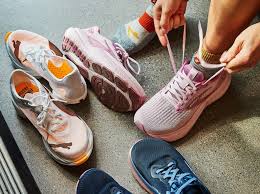
Finding the perfect pair of shoes running can feel tricky, especially when you’re just starting out. There are so many options, and it’s easy to get confused. But don’t worry!
We’ll walk you through it step by step. You’ll learn exactly what to look for to make sure your feet are happy on every run. Get ready to discover how easy it is to find your ideal running shoes.
Key Takeaways
- You will learn what makes shoes running important for comfort and injury prevention.
- Understand different shoe types and how they match your running style.
- Discover how to check for proper fit and support in your running shoes.
- Learn about shoe materials and technologies that improve your running experience.
- Get tips on when to replace your running shoes to keep performance high.
- Find out where to buy the best running shoes for your needs.
Why Choosing the Right Shoes Running Matters
Selecting the correct shoes running is super important for anyone who hits the pavement or trails. It’s not just about looking good; it’s about keeping your feet safe and comfy. The wrong shoes can lead to sore feet, blisters, or even worse, injuries like shin splints or knee pain.
Good running shoes are designed to cushion your steps, absorb shock, and support your feet’s natural movement. This makes every run feel better and helps you run longer without problems. Think of them as your most important gear for running.
The Impact of Foot Strike
How you land your foot when running, called your foot strike, really matters when picking shoes. Some people land on their heel first. Others land on the middle of their foot, or even on their toes.
Running shoes offer different levels of cushioning and support to match these different strikes.
- Heel Strikers: If you land heavily on your heel, you need shoes with extra cushioning in the back. This helps absorb the strong impact of your heel hitting the ground. Shoes with a thick heel can make a big difference in comfort and reduce stress on your joints.
- Midfoot/Forefoot Strikers: Landing on the middle or front of your foot means less direct impact force. You might prefer shoes that are lighter and offer more flexibility. These shoes allow your foot to move more naturally through the stride. They often have less cushioning but provide a better feel for the ground.
Support and Stability Features
Shoes running also come with different types of support. This helps keep your foot stable as you run. Your foot arch is key here.
Some people have high arches, some have flat feet, and others have arches that are somewhere in the middle.
- Neutral Shoes: These are for people with normal arches. They provide a good balance of cushioning and flexibility. They don’t try to “correct” your foot’s natural motion much.
- Stability Shoes: If your feet tend to roll inward too much when you run (overpronate), stability shoes can help. They have extra support on the inside of the shoe to stop your foot from rolling too far.
- Motion Control Shoes: For people whose feet roll inward a lot (severe overpronation) or who have very flat feet, motion control shoes offer the most support. They are stiffer and designed to limit excessive foot movement.
A good running shoe store can help you figure out what kind of support you need. They might watch you walk or run to see how your feet move. This expert advice is really valuable for beginners.
Cushioning Levels
The amount of cushioning in shoes running is another big factor. Cushioning absorbs the shock of each step, protecting your joints. It also makes your run feel softer and more comfortable.
- Minimal Cushioning: These shoes feel very light and allow you to feel the ground more. They are often chosen by experienced runners who want a more natural feel. They offer less protection from impact.
- Moderate Cushioning: This is a popular choice for many runners. It provides a good mix of comfort and responsiveness. It’s suitable for daily training and most types of runs.
- Maximum Cushioning: These shoes are like pillows for your feet. They offer the most shock absorption and comfort. They are great for long runs, recovery runs, or if you experience joint pain.
Understanding Shoe Construction and Materials
The way shoes running are made and the materials used play a huge role in how they perform. Knowing a bit about these parts can help you make a smarter choice. Each component has a specific job to do, from keeping your foot cool to giving you that spring in your step.
The Midsole
The midsole is the heart of the shoe. It’s the layer between the upper part of the shoe (where your foot sits) and the outsole (the part that touches the ground). This is where most of the cushioning happens.
Materials like EVA (ethylene vinyl acetate) and PU (polyurethane) are common. EVA is lighter and more flexible, offering good shock absorption. PU is denser and more durable, providing better support for longer.
Some shoes also use special foams or gel inserts for enhanced comfort and energy return.
- EVA Foam: This is the most common midsole material. It’s lightweight, flexible, and offers good cushioning. It can compress over time, losing some of its bounce.
- Polyurethane (PU) Foam: PU is heavier and firmer than EVA. It’s very durable and holds its shape well, providing consistent support. It’s often found in shoes needing extra stability.
- Gel or Air Inserts: Some brands add gel or air pockets into the midsole. These are placed in key areas, like the heel, to provide targeted cushioning and shock absorption.
The Outsole
The outsole is the bottom layer of the shoe, made of rubber or a similar material. Its main job is to provide grip and traction on different surfaces. It also adds to the shoe’s durability.
Different tread patterns are used to suit various conditions. A smooth tread might be good for indoor tracks, while a deeper, more rugged tread is better for off-road trails. The outsole also affects how the shoe flexes.
- Carbon Rubber: This is a very durable material, often used in high-wear areas like the heel. It provides excellent traction and lasts a long time.
- Blown Rubber: This type of rubber is lighter and more flexible than carbon rubber. It’s often used in the forefoot to improve cushioning and make the shoe bend more easily.
- Grip Patterns: The design of the outsole’s surface is crucial for traction. Small, closely spaced lugs are good for roads. Larger, more aggressive lugs are designed for mud and uneven terrain.
The Upper
The upper is everything above the midsole, including the part that covers your foot. It’s responsible for holding your foot securely in place and providing breathability. Modern uppers are often made from mesh materials.
These allow air to circulate, keeping your feet cool and dry during your runs. Some uppers have seamless designs to reduce irritation and potential blisters. Others might have reinforced areas for added support or protection.
- Engineered Mesh: This is a type of mesh where the weave varies in different areas. It can be made more open for breathability in some spots and tighter for support in others.
- Knit Uppers: These are made from a continuous thread, creating a sock-like fit. They are often very comfortable and flexible, molding to the foot’s shape.
- Synthetic Overlays: These are pieces of material attached to the mesh upper. They add structure and durability to areas that experience more stress, like around the laces or toe box.
How to Get the Perfect Fit
Getting the right fit for your shoes running is more important than any fancy feature. A shoe that’s too tight or too loose can cause all sorts of problems. It can lead to pain, blisters, and even injuries.
Luckily, finding a good fit is pretty straightforward if you know what to look for.
Trying Them On
The best time to try on running shoes is at the end of the day. Your feet swell up a little throughout the day, especially after being on them for a while. So, trying shoes on when your feet are at their largest size will ensure a comfortable fit during your runs.
- Wear Your Running Socks: Always wear the type of socks you plan to run in when trying on shoes. Running socks are often thicker than regular socks, and this extra bulk can affect the shoe’s fit.
- Check the Toe Box: You should have about a thumb’s width of space between your longest toe and the front of the shoe. This room is needed for your foot to expand during a run. Your toes should be able to wiggle freely.
- Feel for Pressure Points: Walk and then jog lightly in the shoes. Pay attention to any spots that feel tight, rub, or pinch. These are areas that will likely cause problems during a run.
Understanding Shoe Sizing
Running shoe sizes are not always the same as your everyday shoe sizes. Different brands can fit differently. It’s a good idea to go up half a size from your normal shoe size when buying running shoes.
This extra space is crucial for comfort and to prevent blisters.
- Brand Differences: Some brands run narrow, while others run wide. If you have wider feet, you might need to look for shoes available in wide sizes.
- Length vs. Width: Ensure the shoe is not too short or too narrow. A shoe that’s too short can cause black toenails. A shoe that’s too narrow can lead to pain on the sides of your feet.
The Role of a Running Store
Visiting a specialized running store can be incredibly helpful. The staff there are usually runners themselves and are trained to help you find the right shoes. They often have treadmills to observe your gait (how you walk or run) and can recommend shoes based on your foot type and running style.
For example, a store might analyze your gait and notice that your feet roll inward excessively. They would then suggest stability shoes to provide the needed support. They can also measure your feet accurately to ensure you get the correct size.
This expert guidance can save you time and prevent discomfort.
Popular Types of Running Shoes
The world of shoes running has many categories to consider. Knowing these types can help you narrow down your search. Each type is designed with specific runner needs and preferences in mind, from marathon trainers to trail beasts.
Road Running Shoes
These are the most common types of running shoes. They are built for running on hard, flat surfaces like pavements, sidewalks, and treadmills. Road running shoes focus on cushioning and shock absorption to protect your feet and joints from the repetitive impact of hard surfaces.
They are generally lighter and more flexible than trail shoes.
- Daily Trainers: These are the workhorses for many runners. They offer a good balance of cushioning, durability, and responsiveness for everyday runs. They are designed to be comfortable for long distances.
- Performance Trainers/Tempo Shoes: These shoes are lighter and more responsive than daily trainers. They are designed for faster runs like tempo workouts or interval training. They offer less cushioning but more energy return to help you pick up the pace.
- Marathon Shoes: Built for ultra-long distances, these shoes prioritize maximum cushioning and comfort. They are designed to feel good mile after mile, reducing fatigue on race day. They are typically heavier than tempo shoes due to the extra padding.
Trail Running Shoes
If you plan to run on dirt paths, gravel, mud, or uneven terrain, trail running shoes are a must. They are built differently than road shoes to provide better grip, protection, and stability on challenging surfaces. They often feature deeper lugs on the outsole for enhanced traction and reinforced uppers to protect your feet from rocks and roots.
- Traction: The outsole has aggressive lugs that dig into the ground, preventing slips.
- Protection: Many trail shoes have rock plates in the midsole to shield your feet from sharp objects. Uppers are often more durable and may include toe guards.
- Stability: They are designed to offer more lateral support on uneven ground, reducing the risk of ankle rolls.
Cross-Training Shoes
While not strictly running shoes, cross-training shoes are versatile. They are designed for a variety of activities, including light running, gym workouts, and other sports. They offer a good balance of cushioning, support, and stability.
However, for dedicated running, specialized running shoes are usually a better choice.
- Versatility: Good for gym workouts, short runs, and general fitness activities.
- Moderate Support: They offer a stable platform for lifting weights or doing plyometrics.
- Less Specialized for Running: They may lack the advanced cushioning or specific support needed for long-distance running.
Technology and Innovation in Shoes Running
The technology packed into modern shoes running is constantly advancing. These innovations aim to make your runs more comfortable, efficient, and enjoyable. From new foam compounds to specialized plate designs, brands are always finding ways to improve performance.
Responsive Foams
One of the biggest advancements in recent years has been the development of super-responsive foam materials. These foams are lighter and provide more energy return than traditional EVA. This means that each step feels bouncier, and less energy is lost, potentially helping you run faster with less effort.
- Examples: Brands like Hoka One One, Brooks, and Saucony have developed their own signature foams. These are often proprietary blends designed for specific feels, like plush cushioning or firm responsiveness.
- Benefits: Increased energy return, reduced fatigue, and a more comfortable ride, especially over long distances.
Carbon Fiber Plates
A more recent development, especially in racing shoes, is the inclusion of carbon fiber plates in the midsole. These plates are stiff and curved. They work with the foam to help stabilize the foot and provide a propulsive feeling with each stride.
They are designed to improve running economy, helping runners conserve energy.
- How they work: The plate acts as a lever, helping to roll the foot forward more efficiently. It also helps the foam compress less, maintaining its responsiveness.
- Target Audience: Primarily found in racing flats and performance shoes for experienced runners looking for a competitive edge.
Gait Analysis and Customization
Technology also helps in understanding your unique running mechanics. Gait analysis, often done at specialty running stores, uses video and sensors to track how your feet move when you run. This data helps determine the best type of shoe for your foot strike and pronation.
Some brands are even exploring 3D printing and other methods for more customized shoe options.
- Benefits of Gait Analysis: Helps identify overpronation, underpronation, or neutral foot motion, leading to better shoe selection and injury prevention.
- Future Trends: Expect more personalized shoe designs based on individual biomechanics and preferences.
Maintaining Your Running Shoes
Taking good care of your shoes running will make them last longer and perform better. Simple steps can extend their life and ensure they continue to support your runs effectively. Proper care is essential.
Cleaning Your Shoes
Avoid putting your running shoes in a washing machine or dryer. The heat and agitation can damage the materials and adhesives. Instead, clean them by hand.
- Remove Loose Dirt: Bang the soles together to remove excess dirt and debris.
- Brush Off Dirt: Use a soft brush or an old toothbrush to gently brush away any remaining dirt from the uppers and soles.
- Mild Soap and Water: For tougher stains, use a small amount of mild soap with cool water and a cloth. Rinse thoroughly with a clean, damp cloth.
- Air Dry: Always let your shoes air dry completely away from direct heat or sunlight. You can stuff them with newspaper to help absorb moisture and maintain their shape.
Drying Your Shoes
After cleaning or getting caught in the rain, proper drying is key. Moisture can break down shoe materials over time and lead to odors.
- Remove Insoles: Take out the insoles to allow them to dry separately and faster.
- Stuff with Newspaper: Loosely stuff the shoes with plain newspaper. The paper will soak up moisture from inside the shoe. Change the newspaper if it becomes saturated.
- Avoid Heat Sources: Never use a radiator, hair dryer, or clothes dryer. High heat can warp the shoe’s shape and damage the glue.
Rotation and Storage
Rotating between multiple pairs of running shoes can be beneficial. It allows each pair to fully dry out and decompress between runs. Storing your shoes properly also helps maintain their integrity.
- Shoe Rotation: If you run frequently, owning two or more pairs and alternating them gives each pair a break. This can extend their lifespan.
- Storage Conditions: Store your shoes in a cool, dry place, away from direct sunlight. Avoid storing them in damp environments like a steamy bathroom.
Common Myths Debunked
Myth 1: All running shoes are the same.
Reality: Running shoes are designed for very different purposes. Road running shoes are cushioned for hard surfaces, while trail shoes have aggressive treads for grip. There are also shoes for specific needs like stability or motion control.
Using the wrong type can lead to discomfort or injury.
Myth 2: You need to buy expensive shoes to run well.
Reality: While high-end shoes have advanced technology, a mid-range pair that fits well and suits your running style can be just as effective. The most important factor is the fit and support for your individual needs, not the price tag. A good running store can help you find great options at various price points.
Myth 3: Running shoes need to be broken in.
Reality: Modern running shoes are designed to be comfortable right out of the box. They shouldn’t require a lengthy break-in period. Some minor stiffness might ease after a few short runs, but significant discomfort means the shoe likely isn’t the right fit for you.
Myth 4: You should replace your running shoes every year.
Reality: The lifespan of running shoes depends on mileage, how you use them, and their construction. Most running shoes last between 300 to 500 miles. Wear and tear on the cushioning and support are more important indicators than the calendar year.
Frequently Asked Questions
Question: How do I know when my running shoes are worn out?
Answer: You’ll notice the cushioning feels less responsive, the soles might be significantly worn down, or you might start feeling aches and pains in your feet, legs, or hips that you didn’t before. Visible wear and tear, like creases in the midsole or worn-out tread, are also signs.
Question: Can I wear my running shoes for other activities?
Answer: While you can wear them for general walking, it’s best to save your dedicated running shoes for running. Their specialized design is optimized for the impact and motion of running, and using them for other activities can wear them out faster.
Question: How important is the weight of running shoes?
Answer: Shoe weight matters for different types of running. Lighter shoes are often preferred for racing and speed work because they feel faster. Heavier shoes typically offer more cushioning and support, which is great for long runs and everyday training.
Question: What is ‘pronation’ in running?
Answer: Pronation is the natural inward roll of your foot as it lands. Neutral pronation is ideal. Overpronation is when your foot rolls too far inward, and supination (or underpronation) is when it doesn’t roll inward enough.
Shoe choice often depends on your pronation type.
Question: Should I buy shoes running online or in a store?
Answer: For beginners, buying in a physical store is highly recommended. You can get your feet measured and receive expert advice. If you know your exact size and model, buying online can be convenient for replacements.
Summary
Finding the right shoes running makes a big difference in comfort and injury prevention. Focus on fit, support, and cushioning that suits your foot and running style. Take your time trying them on.
Care for them properly to extend their life. Happy running!