
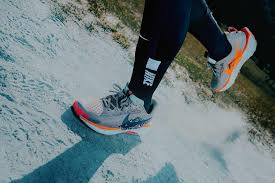
Picking out your first pair of nike shoes can feel a bit overwhelming. There are so many styles and features, it’s tough to know where to start. Many people find it hard to figure out what makes one shoe different from another, especially when they are just beginning.
Don’t worry, though! This guide will make it super simple. We’ll walk through everything step-by-step so you can feel confident about your choice.
Get ready to discover what makes Nike shoes so popular and how to find the perfect pair for you.
Key Takeaways
- You will learn the basic types of Nike shoes and what they are best for.
- Understand the main parts of a Nike shoe and why they matter.
- Discover how to find the right size and fit for comfort.
- Learn tips for caring for your Nike shoes to make them last longer.
- Get ideas on where to find good deals on Nike shoes.
Understanding Nike Shoe Categories
Nike makes shoes for all sorts of activities, from running and basketball to just everyday wear. Knowing these main categories helps you narrow down your choices quickly. Each type is designed with specific features to help you perform better and stay comfortable during your chosen activity.
Think of it like picking the right tool for a job; the right shoe makes a big difference.
Running Shoes
Running shoes are built to cushion your feet and support your stride as you run. They often have special foam in the sole to absorb shock. Nike has many lines, like the Pegasus for everyday running and the Alphafly for racing.
- Cushioning: This is super important for runners. It helps soak up the impact when your foot hits the ground. Good cushioning reduces stress on your joints.
- Support: Some runners need more support to keep their foot from rolling too much inward or outward. Shoes have different levels of stability for this.
- Breathability: Running makes your feet hot. Mesh uppers on running shoes let air flow through, keeping your feet cooler and drier.
For example, a runner training for a marathon will look for shoes with maximum cushioning and support to prevent fatigue and injury over long distances. A casual jogger might prioritize lighter weight and flexibility for a more natural feel.
Basketball Shoes
Basketball shoes are designed for quick stops, jumps, and lateral movements on the court. They usually offer great ankle support to prevent sprains and have soles with excellent grip.
- Ankle Support: Many basketball shoes come up high around the ankle, sometimes called “high-tops.” This helps keep your ankle stable during sharp cuts and jumps.
- Traction: The rubber soles on basketball shoes have patterns designed to grip the court surface firmly. This prevents slipping when you change direction fast.
- Durability: The constant wear and tear of basketball requires shoes that are built to last. Materials are chosen for strength.
A professional basketball player needs shoes that allow for explosive movements and provide maximum ankle protection. This helps them play at their peak performance and stay injury-free.
Lifestyle and Casual Shoes
These are your everyday sneakers, built for comfort and style. While they might take inspiration from athletic shoes, their main purpose is for walking around and looking good.
- Comfort: Designed for all-day wear, these shoes prioritize soft cushioning and a relaxed fit.
- Style: Lifestyle shoes come in countless designs, colors, and materials to match different outfits and personal tastes.
- Versatility: You can wear them with jeans, shorts, or almost any casual attire.
Imagine someone wanting a comfortable pair of shoes to wear to class or for a weekend outing. A classic pair like the Nike Air Force 1 or a sleek modern sneaker fits this need perfectly.
Key Parts of Nike Shoes Explained
Every Nike shoe is made up of different parts, each serving a specific function. Knowing these components helps you appreciate the design and choose a shoe that fits your needs. It’s like understanding the ingredients in a recipe; each one adds something important to the final dish.
The Upper
The upper is the part of the shoe that covers your foot, from the sole up. It’s usually made of materials like mesh, leather, or synthetic fabrics. The upper is responsible for holding your foot in place and providing comfort and breathability.
- Mesh: This is a common material for athletic shoes because it’s light and lets air pass through easily. This keeps your feet from getting too hot.
- Leather: Often used in lifestyle shoes, leather can be very durable and offers a classic look. It can be less breathable than mesh.
- Synthetics: These are man-made materials that can be engineered for specific properties like being lightweight, strong, or water-resistant.
For instance, a trail running shoe might use synthetic materials that are more rugged and water-repellent than the mesh used in a road running shoe. This protects the foot from debris and wet conditions.
The Midsole
The midsole sits between the upper and the outsole. This is where most of the cushioning and support comes from. Nike uses various foam technologies here, like Air or React, to make shoes comfortable and responsive.
Foam technologies are like the shock absorbers in a car. They take the impact of your steps and help return energy, making your run or walk feel bouncier and less tiring.
- Nike Air: This is a cushioning technology that uses pressurized air trapped in a durable membrane within the midsole. It provides lightweight, responsive cushioning.
- Nike React: This is a foam compound that is lighter, softer, and more resilient than traditional foams. It offers excellent energy return and cushioning.
- Phylon/Cushlon: These are lighter and more responsive foam options often used in midsoles for a good balance of cushioning and support.
A basketball player landing from a jump needs a midsole that can absorb a lot of impact. A shoe with Nike Air cushioning would be beneficial here to reduce the force on their knees and ankles.
The Outsole
The outsole is the very bottom of the shoe that touches the ground. It’s typically made of rubber and is designed for grip and durability. The pattern on the outsole affects how well the shoe sticks to different surfaces.
- Tread Pattern: The grooves and shapes on the outsole provide traction. Different patterns are suited for different terrains, like smooth for indoor courts or more aggressive for trails.
- Rubber Compound: The type of rubber used can affect durability and grip. Softer rubber grips better but may wear out faster.
- Flex Grooves: These are cuts in the outsole that allow the shoe to bend naturally with your foot. This is especially important for running shoes.
A soccer cleat has a very different outsole from a running shoe. The soccer cleat has studs for grip on grass, while the running shoe has a flatter, patterned surface for pavement or treadmills.
Finding Your Perfect Fit
Getting the right size and fit is crucial for comfort and performance. A shoe that’s too tight or too loose can cause blisters, pain, and even injuries. It’s worth taking the time to find a pair that feels just right.
Measure Your Feet
Feet can change size over time, and one foot might be slightly larger than the other. It’s best to measure both feet. Stand up and place your foot on a piece of paper.
Trace around your foot and measure the length from your heel to your longest toe. Do this for both feet and use the larger measurement.
It’s also good to measure your feet at the end of the day. This is when your feet are usually at their largest due to swelling.
Tip for Measuring
- Stand on a flat surface with your heel against a wall.
- Place a book or ruler on top of your longest toe.
- Mark the paper where the book/ruler edge meets your toe.
- Measure the distance from the wall to the mark.
Try Them On Properly
When trying on Nike shoes, make sure to wear the type of socks you would normally use for the activity the shoes are for. This can affect the fit.
- Room for Toes: You should have about a thumb’s width of space between your longest toe and the end of the shoe. This allows your foot to swell slightly and prevents your toes from hitting the front.
- Snug Heel Fit: Your heel should feel secure and not slip up and down when you walk or run. A little bit of heel lift might be okay in some running shoes, but it shouldn’t be excessive.
- Width is Key: The shoe should feel comfortable across the widest part of your foot. It shouldn’t feel squeezed or too loose. If a shoe feels too narrow, look for a “wide” option if available.
A common mistake is buying shoes that are too small because you don’t want to “size up.” However, a slightly larger shoe that fits well is always better than a smaller shoe that causes pain.
Consider Your Arch Type
Your arch is the curve on the bottom of your foot. Different arch types need different kinds of support from shoes.
Arch Types and Shoe Needs
| Arch Type | Description | Recommended Shoe Feature |
|---|---|---|
| Normal Arch | A visible curve, but with a connection between the heel and forefoot. | Balanced cushioning and support. Most standard shoes will work well. |
| Flat Arch (Low Arch) | The entire sole of the foot touches the ground. | Stability or motion control shoes to prevent overpronation (foot rolling inward). |
| High Arch | A very pronounced curve, with little of the middle of the foot touching the ground. | Neutral shoes with extra cushioning to absorb shock. |
You can check your arch type by doing the “wet test.” Wet your feet, step onto a piece of paper, and look at the footprint. If you see most of your foot, you likely have flat arches. If you see just your heel and the ball of your foot, you have high arches.
Caring for Your Nike Shoes
Taking good care of your Nike shoes can make them last much longer and keep them looking great. It’s not difficult, and a little effort goes a long way.
Cleaning Your Shoes
Regular cleaning prevents dirt from setting in and damaging the materials.
- For Uppers: Use a soft brush or an old toothbrush with a little mild soap and water to gently scrub away dirt. For mesh, be gentle to avoid snagging the material.
- For Midsoles and Outsoles: These can usually be scrubbed more vigorously with a brush and soapy water.
- Laces: Remove laces and wash them separately by hand or in a laundry bag in the washing machine.
Avoid putting your Nike shoes in the washing machine or dryer unless the care label specifically says it’s okay. The heat and tumbling can damage the adhesives and materials.
Drying Your Shoes
After cleaning, it’s important to dry your shoes properly.
- Air Dry: The best way to dry your shoes is to let them air dry at room temperature. Stuff them with newspaper or paper towels to help absorb moisture and maintain their shape.
- Avoid Direct Heat: Never dry your shoes near a radiator, in direct sunlight, or with a hairdryer. High heat can warp the shoe and damage the glue.
If your shoes get very wet from rain or sweat, try to dry them out as soon as possible. Leaving damp shoes can lead to odors and material breakdown.
Storage
Proper storage helps protect your shoes from dust, sunlight, and damage.
- Keep Them Clean: It’s best to store shoes that are clean and dry.
- Use Shoe Trees or Stuff Them: This helps shoes keep their shape over time, especially athletic shoes.
- Store in a Cool, Dry Place: Avoid damp basements or hot attics. A closet is usually ideal.
- Original Box or Shoe Bags: If you have the original box, it’s great for storage. Otherwise, shoe bags can protect them from dust.
For a pair of collectible Nike shoes, keeping them in their original box in a climate-controlled environment is essential to preserve their condition.
Where to Find Great Nike Shoes
You have many options for buying Nike shoes, from official stores to online retailers. Knowing where to look can help you find the best selection and prices.
Official Nike Stores and Websites
Nike’s own stores and their website (Nike.com) offer the widest selection of their products. You can find the latest releases, exclusive colors, and often use customization tools.
- Pros: Guaranteed authentic, latest models, wide variety, easy returns.
- Cons: Prices are usually at full retail, fewer discounts.
Sporting Goods Retailers
Large chains like Foot Locker, Dick’s Sporting Goods, and JD Sports carry a wide range of Nike shoes. They often have sales and loyalty programs.
- Pros: Good selection, competitive pricing, sales events, can try shoes on in person.
- Cons: May not have every niche model or exclusive release.
Online Retailers and Marketplaces
Websites like Amazon, Zappos, and dedicated sneaker marketplaces (like StockX or GOAT for rare items) are popular. Be cautious and buy from reputable sellers to ensure authenticity.
- Pros: Can find deals, wider selection of older models, convenience.
- Cons: Risk of fakes on some platforms, can’t try on before buying, return policies vary.
When buying online from non-Nike sources, always check reviews of the seller and the product. Look for details like materials and stitching in product photos to spot potential fakes.
Common Myths Debunked
Myth 1: All Nike Shoes Are Overpriced
While some Nike shoes, especially limited editions or high-performance models, can be expensive, many are reasonably priced for their quality and technology. Nike offers a wide range of shoes at various price points, from affordable lifestyle sneakers to premium athletic footwear. The cost often reflects the research, development, and materials used to create a durable and effective product.
Myth 2: You Need Special Socks for Nike Shoes
For most casual or lifestyle Nike shoes, regular comfortable socks are perfectly fine. If you’re buying Nike running shoes, specialized running socks are recommended. These socks are made from moisture-wicking materials and have cushioning in key areas, which can enhance comfort and prevent blisters during long runs, but they aren’t strictly required for just trying on shoes.
Myth 3: Buying a Bigger Size Will Make Shoes More Comfortable
This is not true. Buying shoes that are too big can lead to slipping, blisters, and an awkward gait, which can cause pain and potential injuries. The goal is to find your actual size where your foot fits snugly and securely without being cramped.
Proper fit is about the right length and width, not just a larger size.
Myth 4: All White Nike Shoes Are Hard to Keep Clean
While white shoes do show dirt more easily, modern cleaning products and techniques make it easier than ever to keep them looking fresh. Regular wiping with a damp cloth, using cleaning wipes, or even special shoe cleaners can significantly extend the pristine look of white Nike shoes. Also, many white shoes are made with materials that are easier to clean than you might think.
Frequently Asked Questions
Question: What is the best way to break in new Nike shoes?
Answer: For most Nike shoes, especially running or athletic models, they require minimal break-in time. Wear them around the house for short periods to get used to the feel. For casual shoes, this is usually enough.
If you experience any pinching, try wearing thicker socks for a short time.
Question: Can I wear basketball shoes for running?
Answer: It’s generally not recommended. Basketball shoes are designed for lateral stability and ankle support on a court, which can make them stiff and heavy for running. Running shoes are built for forward motion, cushioning impact over distance, and flexibility, making them a much better choice for running.
Question: How do I know if my Nike shoes are fake?
Answer: Look for inconsistencies in the logo, stitching, and materials. Fake shoes often have off-center logos, uneven stitching, or cheaper-feeling materials. The box and labeling can also be indicators; fake boxes might have misspellings or incorrect details.
Buying from official Nike sources or authorized retailers is the safest way to ensure authenticity.
Question: What does “ROS” mean on Nike shoes?
Answer: “ROS” typically stands for “Run Of Show.” This term refers to the standard, widely released version of a shoe model that is made available to the general public. It distinguishes the mass-produced version from limited editions, prototypes, or special player-exclusive (PE) versions.
Question: Are Nike shoes good for people with wide feet?
Answer: Nike offers some models in wide (2E for men, D for women) or extra-wide (4E for men) widths. However, not all styles come in wider fits. It’s best to check the product details on Nike’s website or ask in-store staff about which models are available in wider widths.
Conclusion
You’ve learned about the different types of Nike shoes and their specific parts. Finding the right fit means measuring your feet and trying them on carefully. Keeping your shoes clean and stored properly helps them last.
With this knowledge, you can confidently choose and enjoy your next pair of Nike shoes.